

How Do I Choose the Right Solar Panel? Complete Guide 2024
LIWEN HUA
Switching to solar energy is one of the smartest investments homeowners can make in 2024. With electricity costs rising and environmental concerns growing, more people are asking: how do I choose the right solar panel for my home? The answer isn't simple, but this comprehensive solar panel buying guide will walk you through every factor you need to consider.
Whether you're motivated by reducing your monthly utility bills, increasing your property value, or reducing your carbon footprint, selecting the appropriate solar panel system requires careful evaluation of several key factors. From understanding the technical components that make up a solar energy system to navigating financing options and incentives, this guide covers everything you need to make an informed decision.
The average residential solar panel system costs between 25,000 after federal tax credits, but the long-term savings can exceed $50,000 over the system's lifetime. That's why choosing the right panels isn't just about upfront cost—it's about maximizing your return on investment for decades to come.
In this article, we'll explore how solar panels work, the different types available, sizing considerations, aesthetic options, battery storage solutions, and financing strategies. By the end, you'll have the knowledge to confidently select the best solar panels for your specific needs.
How Solar Panels Work: Understanding the Technology
Before diving into how to choose solar panels, it's essential to understand the technology behind them. This knowledge will help you make better decisions when comparing options.
Core Components of a Solar Panel System
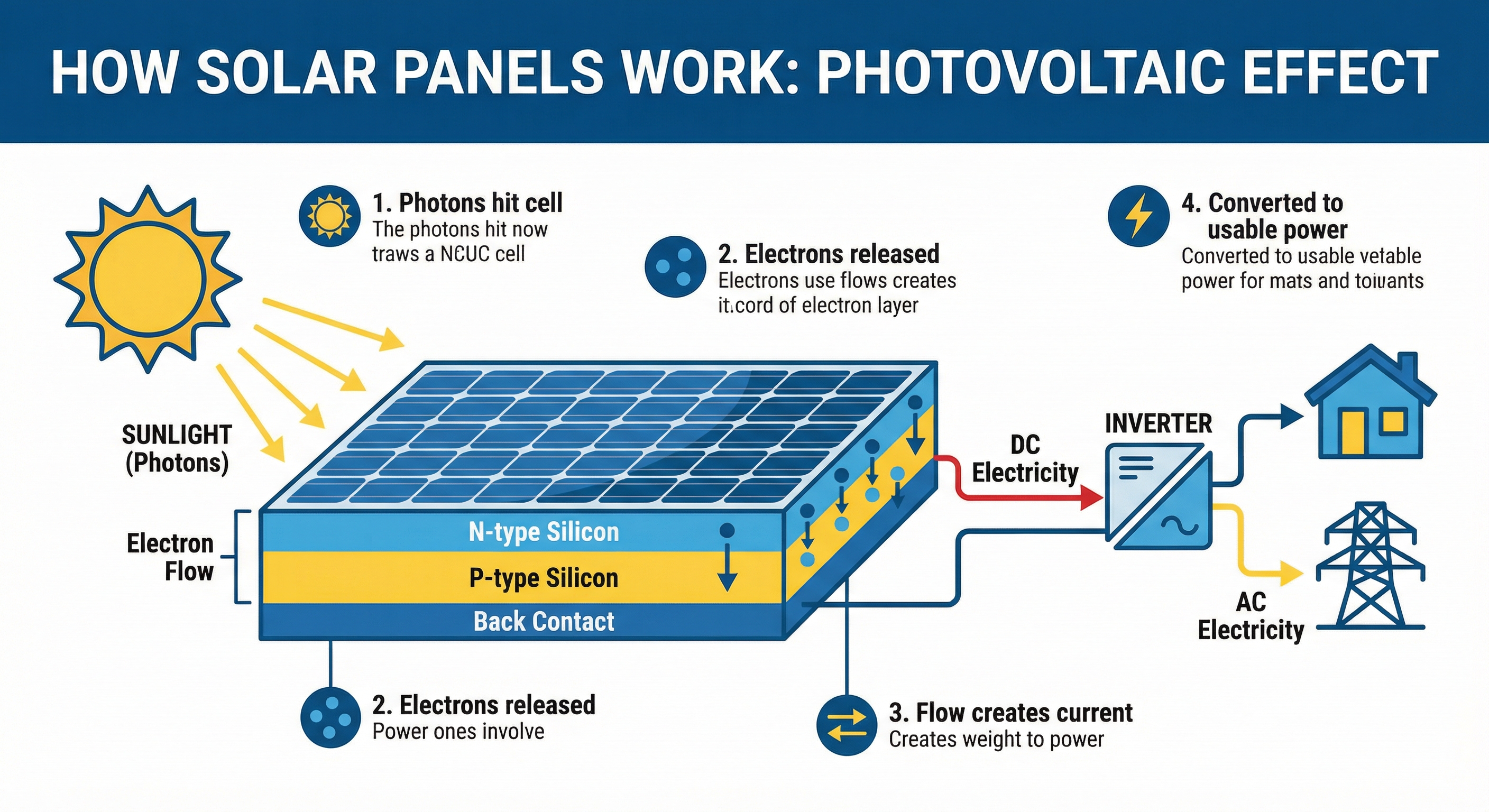
A solar panel consists of several key components that work together to convert sunlight into usable electricity:
Silicon Cells form the heart of every solar panel. These photovoltaic (PV) cells capture photons from sunlight and release electrons, generating direct current (DC) electricity. The quality and type of silicon cells significantly impact panel efficiency and longevity.
The Frame provides structural integrity and protects the internal components from environmental stressors. Most frames are made from aluminum due to its lightweight yet durable properties.
The Backsheet serves as the protective layer on the panel's rear, shielding cells from moisture and UV radiation. Common materials include polymer films or glass.
Encapsulation Materials (typically EVA - ethylene-vinyl acetate) bond the cells together and protect them from physical damage and environmental exposure.
The Junction Box houses the electrical connections and includes bypass diodes that optimize power output under varying conditions.
MC4 Connectors enable secure, weatherproof connections between panels and the broader electrical system.
Additional System Components
Beyond the panels themselves, a complete solar energy system includes several other critical components:
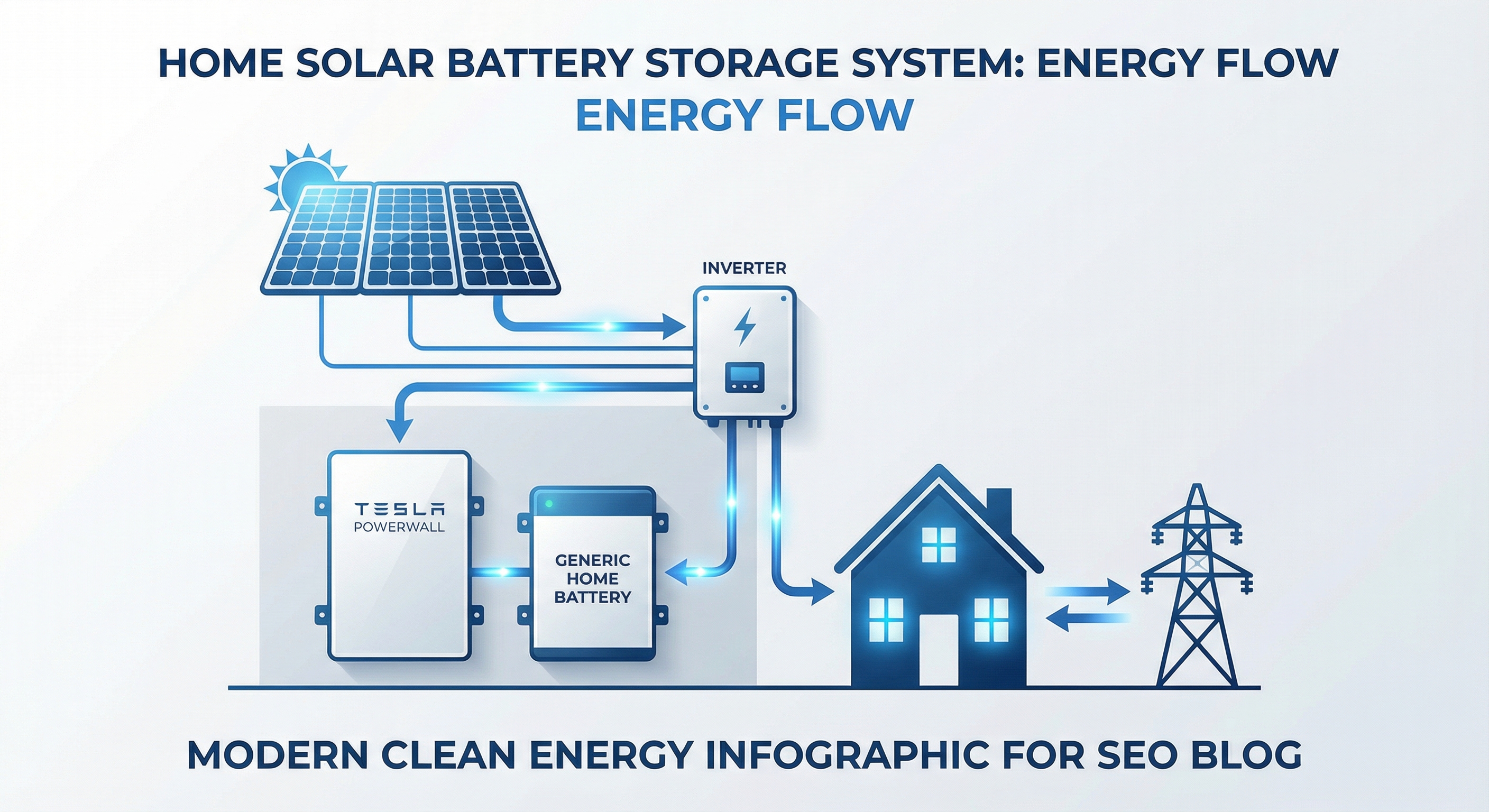
The Inverter converts the DC electricity produced by panels into alternating current (AC) used by your home's electrical system. String inverters remain common, but microinverters mounted on individual panels are gaining popularity for their improved performance monitoring and shade tolerance.
Solar Batteries store excess energy for use during nighttime hours, cloudy days, or power outages. Brands like Tesla Powerwall, LG Chem, and Enphase are leading this rapidly evolving market segment.
Rapid Shutdown Devices are now required by the National Electrical Code (NEC) for safety, allowing emergency responders to quickly de-energize the system.
Monitoring Systems (telemetry centers) provide real-time data on energy production and consumption, helping homeowners optimize their usage patterns.
Understanding these components prepares you to evaluate different solar panel options intelligently. When comparing products, consider not just the panels themselves but the entire system quality and warranty coverage.
Benefits of Installing Solar Panels
The advantages of going solar extend far beyond just reducing your electricity bills. Understanding the full scope of benefits helps justify the initial investment.
Financial Benefits
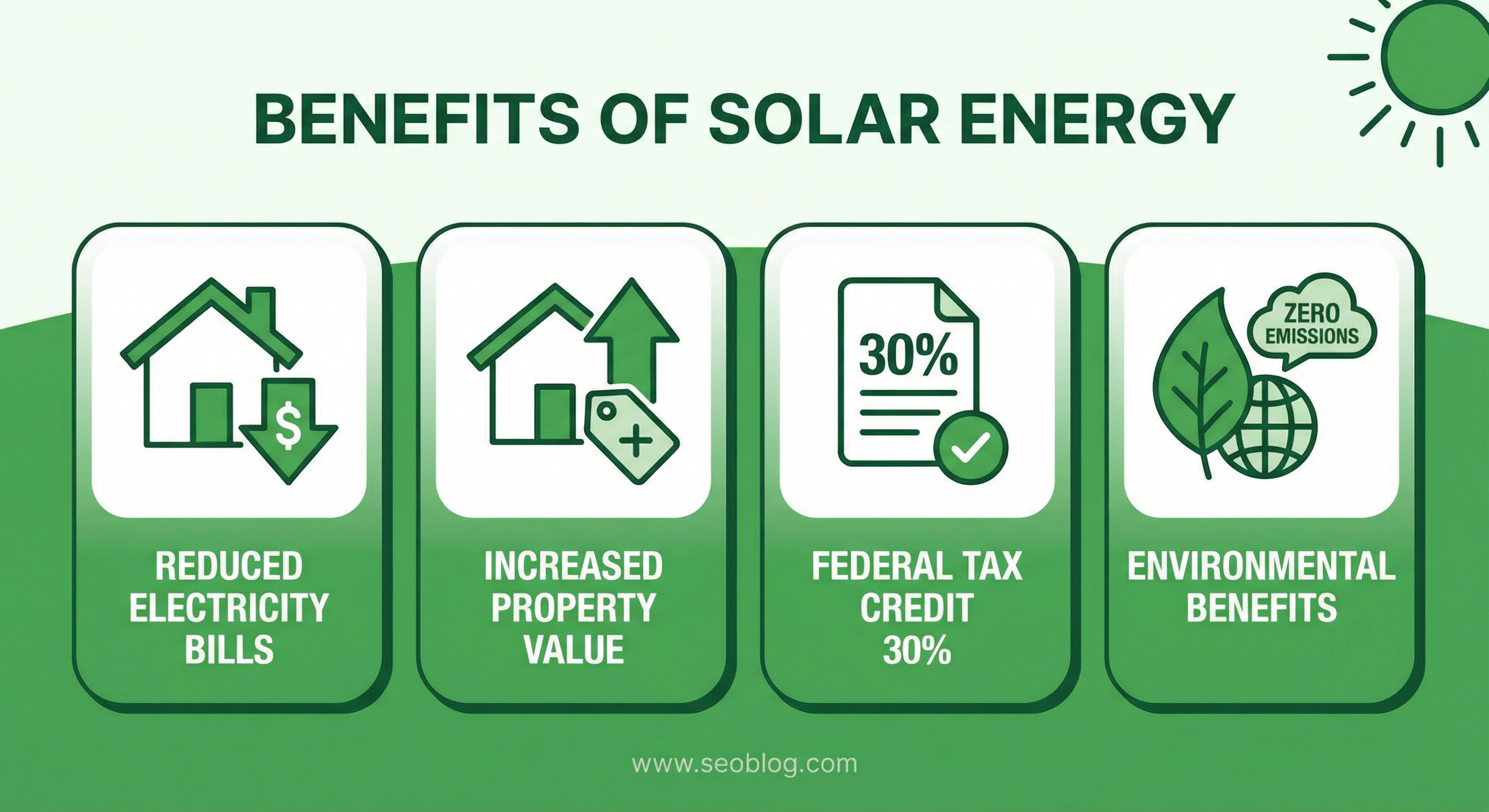
Reduced Electricity Bills represent the most immediate and tangible benefit. Most homeowners see reductions of 50-80% on their monthly utility costs, with some achieving complete energy independence. The exact savings depend on your local electricity rates, system size, and energy consumption patterns.
Increased Property Value is another significant financial advantage. Studies by the Lawrence Berkeley National Laboratory found that homes with solar panels sell for approximately $15,000 more than comparable homes without solar. This value increase often exceeds the cost of the system itself.
Net Metering Programs allow you to sell excess electricity back to the grid when your panels produce more than you consume. Many utility companies offer favorable net metering rates, effectively turning your meter backward during peak production hours.
Federal Tax Credit provides a 30% tax credit on the total cost of your solar panel system through the Inflation Reduction Act. This substantial incentive significantly reduces your upfront investment and improves your return on investment timeline.
State and Local Incentives vary by location but often include additional rebates, tax credits, and property tax exemptions. Many states offer programs that can save you thousands more beyond the federal credit.
Environmental Benefits
Zero Greenhouse Gas Emissions during operation make solar one of the cleanest energy sources available. Unlike fossil fuel power plants, solar panels produce electricity without releasing carbon dioxide or other harmful pollutants into the atmosphere.
Renewable Energy Generation reduces dependence on finite fossil fuel resources. Solar energy is abundant and inexhaustible, providing a sustainable power source for generations.
Reduced Carbon Footprint directly contributes to combating climate change. The average residential solar system offsets approximately 100,000 pounds of CO2 emissions over its 25-year lifetime—equivalent to planting 1,500 trees.
Maintenance Benefits
Solar panels require remarkably little maintenance compared to other home systems. Annual professional cleaning (at least twice yearly) and occasional visual inspections are typically all that's needed. Most quality panels come with 25-year warranties covering performance and defects, providing long-term peace of mind.
Types of Solar Panels: Which Is Right for You?
Selecting the appropriate type of solar panel is crucial for maximizing your investment. Here's a detailed comparison of the main options available in today's market:
Monocrystalline Solar Panels
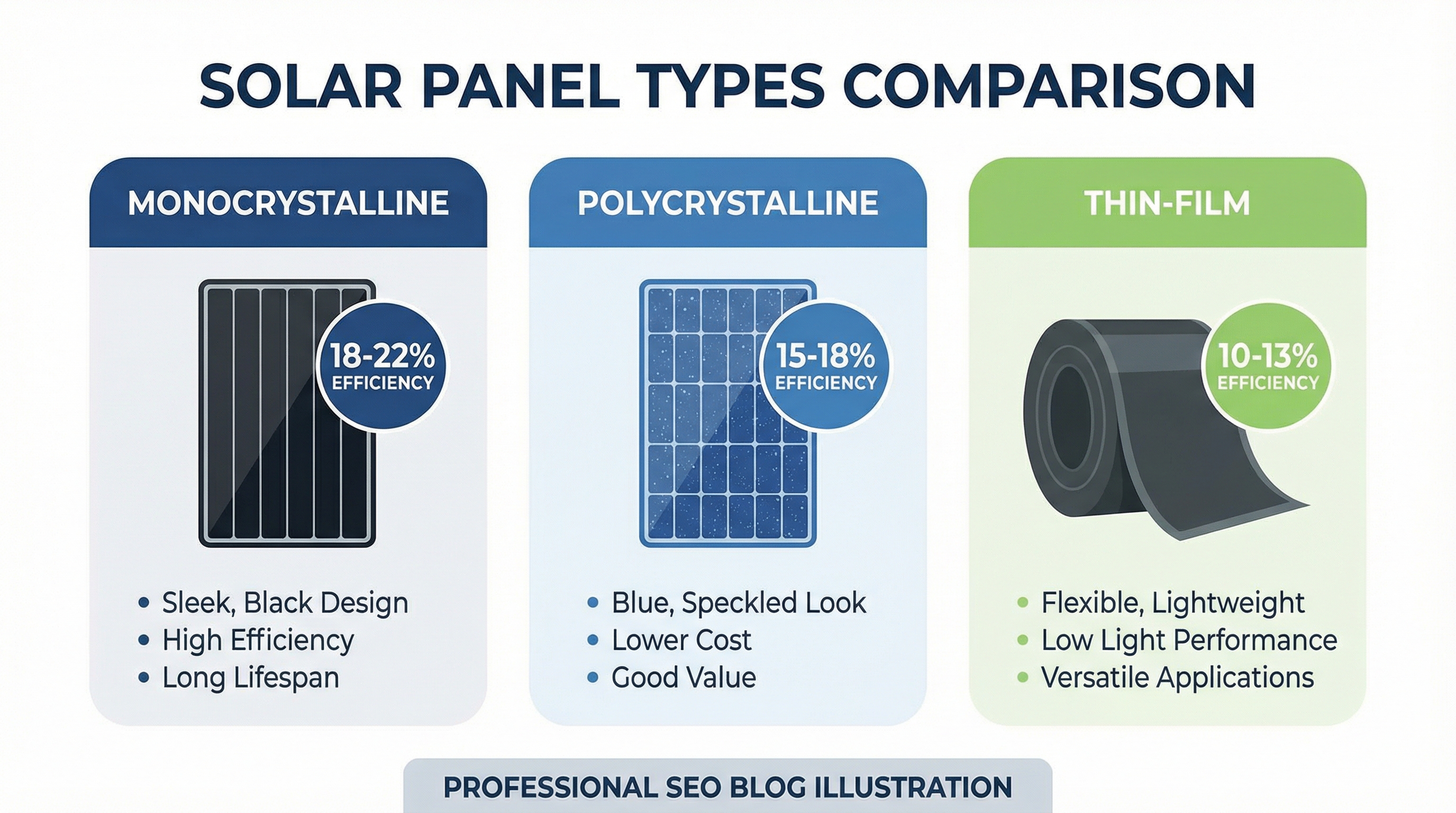
Monocrystalline panels are the premium choice in the solar panel types explained category. These panels are made from a single continuous silicon crystal, resulting in the highest efficiency ratings available—typically 17-22%.
Advantages:
- Highest efficiency per square foot
- Better performance in low-light conditions
- Sleek, uniform appearance
- Longer lifespan (25-30+ years)
- Superior heat tolerance
Disadvantages:
- Higher upfront cost
- Less efficient in extremely hot temperatures compared to some alternatives
Monocrystalline panels are ideal for homeowners with limited roof space who need maximum power output from a smaller footprint. If aesthetics matter, these panels offer the most sophisticated look with their uniform dark color.
Polycrystalline Solar Panels
Polycrystalline panels are manufactured from multiple silicon fragments melted together. While slightly less efficient than monocrystalline options (typically 15-17%), they offer excellent value for budget-conscious homeowners.
Advantages:
- Lower manufacturing cost
- More affordable pricing
- Shorter energy payback time
- Good performance in direct sunlight
Disadvantages:
- Lower efficiency ratings
- Larger surface area required for equivalent output
- Less effective in low-light conditions
- Bluish speckled appearance may not suit all aesthetics
Polycrystalline panels work best for homeowners with ample roof space who prioritize budget over maximum efficiency. They represent the best solar panels for home use in terms of value when roof area isn't a constraint.
Thin-Film Solar Panels
Thin-film panels are created by depositing photovoltaic material onto various substrates. While less common for residential applications, they offer unique advantages in specific situations.
Advantages:
- Flexible form factor
- Lightweight construction
- Good performance in high temperatures
- Aesthetic versatility
Disadvantages:
- Lowest efficiency (typically 10-13%)
- Larger space requirements
- Shorter lifespan (15-20 years)
- Prone to degradation
Thin-film technology is best suited for large commercial installations or unique applications where traditional panels won't work.
Performance Comparison Table
| Panel Type | Efficiency | Cost | Best For |
|---|---|---|---|
| Monocrystalline | 17-22% | High | Limited roof space |
| Polycrystalline | 15-17% | Medium | Budget-conscious buyers |
| Thin-Film | 10-13% | Low | Unique installations |
Panel Colors and Aesthetic Considerations
When learning how to choose solar panels, aesthetics often get overlooked—but the visual appearance of your solar system matters, especially if you live in a neighborhood with homeowner association guidelines or want to maintain your home's curb appeal.

Backsheet Color Options
Black Backsheets create a sleek, modern appearance that blends seamlessly with dark roofing materials. They absorb more heat, which can slightly reduce efficiency in hot climates but provides excellent visual integration.
White Backsheets reflect more sunlight and heat, improving panel efficiency in warm climates. They create a more visible installation that may not suit all architectural styles.
Frame Color Choices
Black Frames offer a contemporary look that complements modern homes and dark roofing materials. They're the most popular choice for new installations.
Silver Frames provide a traditional appearance that works well with lighter roofing materials and colonial or ranch-style homes.
Integration Considerations
Some homeowners opt for solar roof tiles (like Tesla Solar Roof) that integrate directly into roofing materials, creating a seamless appearance. While more expensive than traditional panels, they eliminate the visibility issue entirely.
Before purchasing, check your local building codes and homeowner association restrictions. Some areas have specific requirements or limitations on visible solar installations.
Choosing the Correct Size and Power Output
Proper sizing ensures your solar panel system meets your energy needs without overspending on excess capacity. This is a critical step in any solar panel buying guide.
Standard Residential Panel Sizes
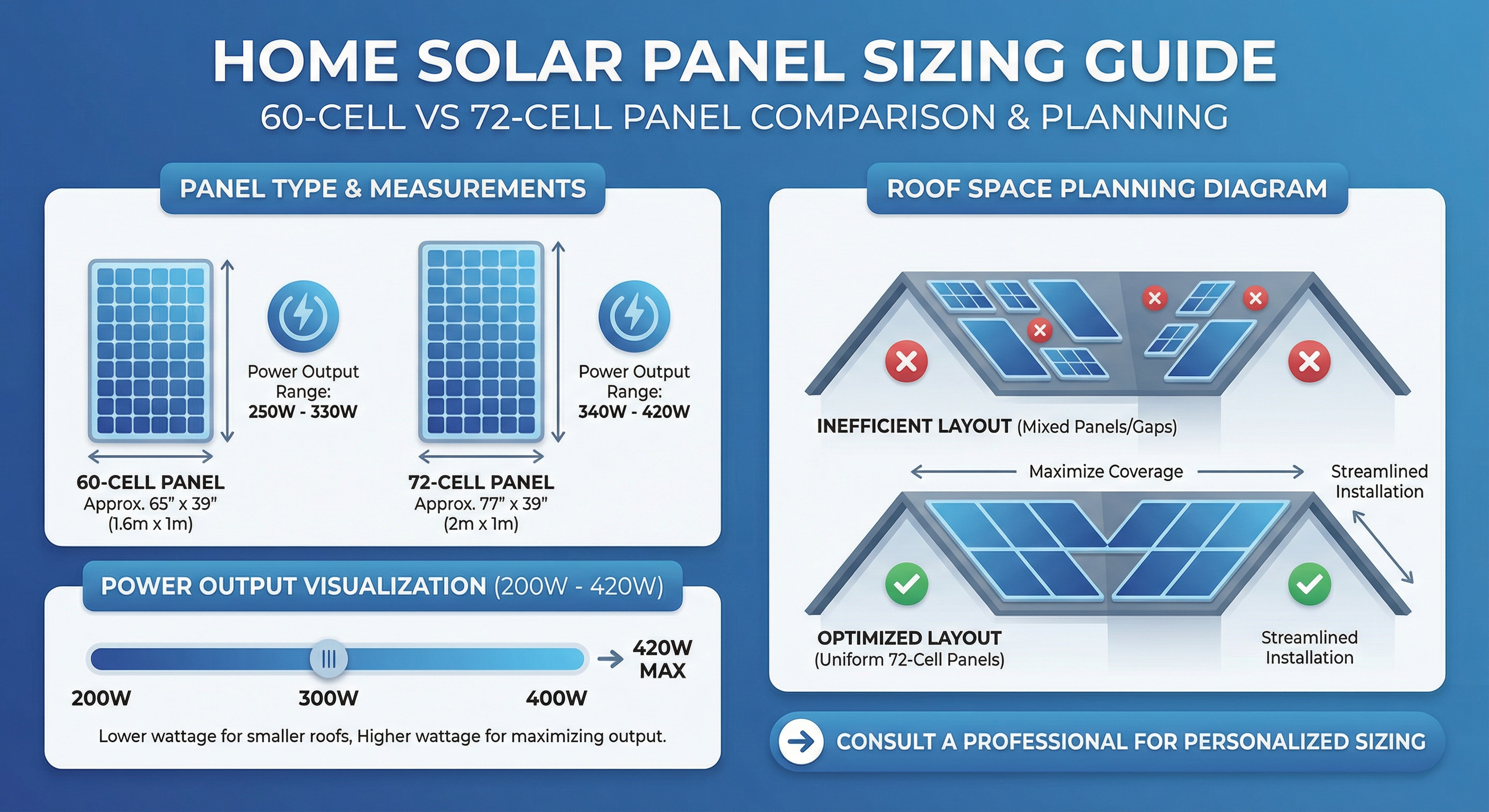
60-Cell Panels are the standard residential size, measuring approximately 39 inches by 65 inches. These panels typically produce 280-350 watts and work well for average-sized roofs.
72-Cell Panels are larger (about 77 inches by 39 inches) and produce 350-420 watts. They're more common in commercial applications but can be used residentially when roof space is limited.
Calculating Your Power Needs
To determine the right system size, follow these steps:
1.Review Your Electricity Usage: Examine 12 months of utility bills to find your average monthly and annual consumption measured in kilowatt-hours (kWh).
2.Account for Solar Production: In the U.S., a typical 1 kW solar system produces approximately 1,500-1,700 kWh annually, varying by location.
3.Calculate Required System Size: Divide your annual consumption by your location's annual production factor. For example, a home using 12,000 kWh annually in an area producing 1,600 kWh per kW would need a 7.5 kW system.
4.Consider Future Needs: Account for planned changes like electric vehicle purchases, home additions, or switching to electric appliances.
Power Output Ranges
Modern residential solar panels range from 200W to 420W per panel. Most homes require between 15-30 panels depending on their energy needs and available roof space.
200-300W panels: Budget-friendly options suitable for small systems or supplemental power
300-400W panels: The most popular range for average residential installations
400W+ panels: High-output options for maximizing production in limited space
Solar Batteries: Power When You Need It
Adding battery storage transforms your solar system from a supplemental power source into a complete energy independence solution.
Why Consider Solar Batteries
Energy Independence allows you to maintain power during grid outages. With extreme weather events becoming more frequent, battery backup provides critical security.
Peak Usage Optimization lets you store excess solar production during the day for use during expensive peak-rate evening hours, maximizing your savings.
Environmental Maximization enables you to use more of your solar generation rather than sending excess to the grid, further reducing your carbon footprint.
Top Battery Options in 2024
Tesla Powerwall remains the market leader with 13.5 kWh capacity, seamless integration with Tesla vehicles, and competitive pricing.
Enphase IQ Battery offers modular design allowing flexible sizing and excellent monitoring capabilities through their app.
LG Chem RESU provides reliable performance with a compact form factor suitable for various installation locations.
SunPower SunVault integrates seamlessly with SunPower solar systems and offers impressive efficiency ratings.
Sizing Your Battery System
Most homeowners benefit from 10-20 kWh of storage capacity—enough to power essential circuits overnight or during outages. Consider which appliances are critical (refrigerator, medical equipment, lighting) when determining your needs.
Financing Your Solar Panel System
Understanding financing options is essential for making solar economically viable. Here's how to choose solar panels within your budget:
Federal Tax Credit
The Investment Tax Credit (ITC) allows you to deduct 30% of your solar installation costs from federal taxes. This substantial credit applies to panels, inverters, mounting equipment, and installation labor. The credit remains at 30% through 2032, then decreases gradually.
State and Local Incentives
State Rebates vary significantly—some states offer $500 rebates while others provide several thousand dollars toward installations.
Property Tax Exemptions prevent solar installations from increasing your property taxes, saving thousands over the system's lifetime.
Solar Renewable Energy Credits (SRECs) allow you to earn additional income by selling credits earned from your solar production.
Financing Options
Solar Loans from specialized lenders like Sunlight Financial or GoodLeap offer competitive rates and $0 down options. These loans typically feature 10-20 year terms with fixed monthly payments.
Home Equity Loans or Lines of Credit allow using your home's equity to finance solar, often at lower interest rates than unsecured loans.
Leases let you rent panels with $0 upfront costs, though you won't qualify for tax credits and may face higher long-term costs.
Power Purchase Agreements (PPAs) involve paying for solar-generated electricity rather than owning the system, similar to leasing but with payments based on actual production.
Cash Purchase offers the best long-term economics if you have the capital, maximizing your return on investment and qualifying for all available incentives.
Conclusion: Making Your Final Decision
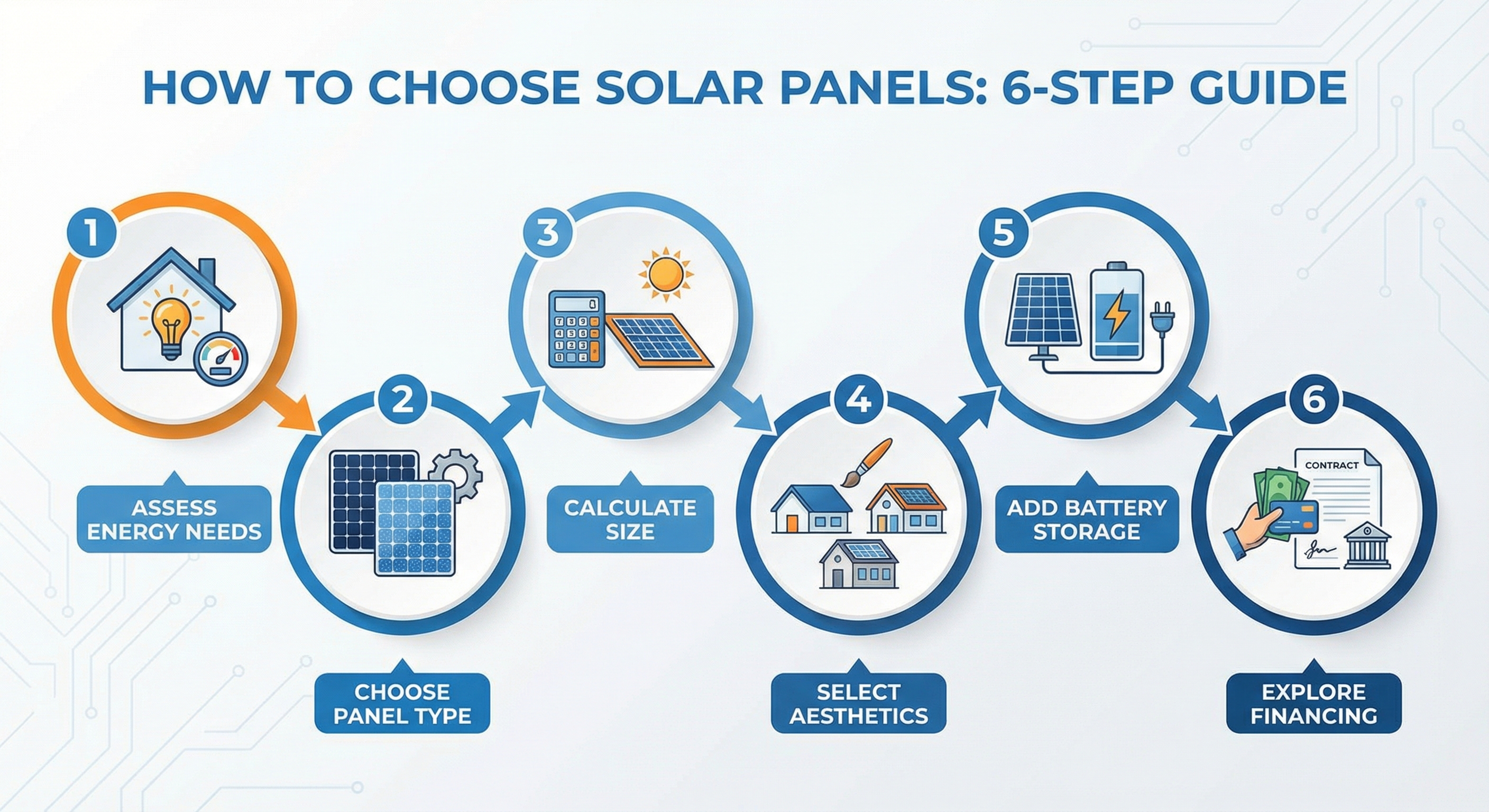
Now that you understand how to choose solar panels, you're equipped to make an informed decision that fits your home and budget. Here's a quick recap:
Key Takeaways:
1.Select the right panel type based on your roof space and budget—monocrystalline for maximum efficiency, polycrystalline for value
2.Size your system to match your actual energy consumption with room for future needs
3.Consider aesthetics to maintain your home's appearance and comply with neighborhood guidelines
4.Evaluate battery storage for energy independence and maximum savings
5.Leverage available incentives including the 30% federal tax credit and state programs
6.Choose reputable installers with strong warranties and local experience
The best solar panels for your home depend on your unique circumstances—there's no one-size-fits-all answer. Take time to gather multiple quotes from certified installers, ask detailed questions about equipment quality and warranty terms, and verify all available incentives before signing.
Solar energy represents a 25+ year commitment to clean, renewable power. By following this solar panel buying guide, you can confidently select a system that delivers decades of reliable savings while contributing to a more sustainable future.
Ready to start your solar journey? Request quotes from multiple reputable installers in your area today and take advantage of current incentives before they change.